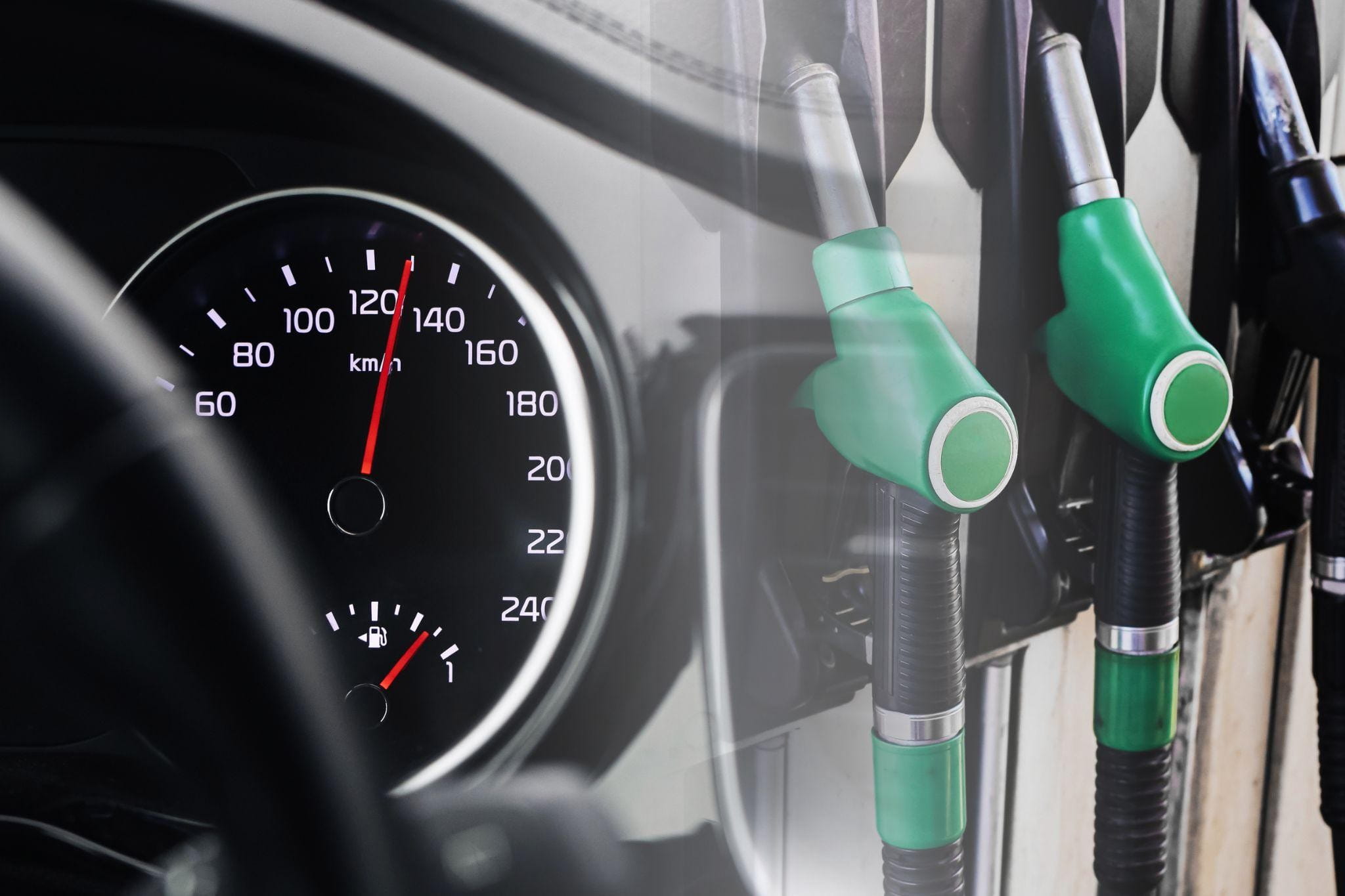
A sudden drop in fuel economy can be frustrating, especially when you haven’t changed your driving habits. And in today’s economy, amid ongoing cost-of-living and fuel crises, there’s really no wiggle room for burning petrol! If your car’s suddenly using more fuel than usual, an underlying mechanical or electrical issue may need attention.
From faulty sensors and clogged filters to underinflated tyres and dragging brakes, here are seven common causes a mechanic will check.
When your car’s fuel economy suddenly drops, it is usually due to a physical component issue or a malfunctioning engine part. Your engine’s internal computer may be miscalculating the air-to-fuel ratio, or a mechanical component may be forcing the engine to work harder than it should. Here are seven causes of a sudden drop in fuel economy that a mechanic will check during a scheduled service.
Your car’s oxygen sensor monitors how much unburned oxygen is in the exhaust. If it gets old or dirty enough, it can send incorrect data to the engine control unit (ECU). The ECU then compensates by dumping excess fuel into the combustion chambers, which can dramatically lower your mileage.
Fuel injectors atomise petrol or diesel into a fine, precise spray. Over time, carbon or fuel residue can clog these tiny nozzles. This may cause uneven fuel delivery, incomplete combustion, and force you to step harder on the accelerator to maintain normal speeds while driving.
In petrol cars, spark plugs are responsible for igniting the fuel mixture. If the plugs are too old, dirty, or worn, they can cause intermittent misfires or incomplete combustion. Unburnt fuel is simply pushed straight out of your exhaust, dropping your fuel economy and, of course, wasting your money.
Your engine requires a consistent blend of clean air and fuel to operate. A heavily clogged air filter can choke the engine’s air intake, throwing off the internal mixture. This restriction strains the engine and forces it to burn significantly more fuel than necessary to stay running smoothly.
Your tyre air pressure and wheel alignment both play an important role in your fuel economy. If they don’t have enough air or are misaligned, they can affect driving performance, which can adversely affect your engine and fuel economy.
Soft tyres create a wider contact patch with the ground, which greatly increases rolling resistance and requires your engine to work much harder just to keep the car moving. And when your wheels are out of alignment, they physically fight each other instead of rolling straight down the road, acting like a constant anchor on your car’s progress.
Your vehicle’s internal computer reads the coolant temperature to determine how much fuel to feed the engine. If the sensor fails and reports the engine is cold even when it is fully warmed up, the ECU will keep feeding the engine extra fuel, which is just a waste.
If a brake caliper piston gets stuck or rusted, the brake pads will stay pressed tightly against the rotor even when your foot is off the pedal. Driving with a dragging brake is the mechanical equivalent of driving up a steep hill at all times, causing your fuel usage to skyrocket.
If your fuel economy is starting to slip and you are unsure why, then consider booking a professional diagnostic service. Proactive diagnostics and early issue detection will help prevent costly breakdowns. Routine maintenance and logbook-friendly reporting help you maintain warranty compliance and improve performance and safety, supported by informed diagnostic readings.
Our mechanics will first plug a diagnostic scanner into your car’s computer. This immediately reveals hidden fault codes caused by electronic errors, such as bad O2 sensors or engine misfires. Once our diagnostic technicians identify the problems using accurate fault-detection systems, they will provide a practical, speedy course of action.
If the computer yields no codes, the mechanic shifts to physical diagnostics. They will gauge your tyre pressures, visually inspect the engine air filter, put the car on a hoist to check for stuck brake calipers, and inspect the condition of your spark plugs.
The cost of fixing a drop in fuel economy depends on the root cause. Minor fixes like replacing an air filter or setting correct tyre pressures are inexpensive. Replacing advanced components such as oxygen sensors or repairing seized brake calipers can cost a few hundred dollars.
| Cost to Fix a Sudden Drop in Fuel Economy | ||
|---|---|---|
| Possible cause | Average cost | How serious? |
| Low tyre pressure | FREE–$10 | Easy! |
| Dirty air filter | $15–$80 | Low |
| Worn spark plugs | $100–$250 | Moderate |
| Oxygen sensor | $150–$300 | Moderate |
| Coolant temperature sensor | $100–$200 | Moderate |
| Fuel injector cleaning | $150–$400 | Moderate |
| MAF sensor | $150–$350 | Moderate |
| Dragging brake caliper | $200–$450 per axle | HIGH |
Thankfully, getting your fuel economy back on track doesn’t have to cost an arm and a leg! With a little proactive maintenance, you can keep your car’s engine running as it should for years to come. If you’re looking for a local Afterpay mechanic, then get in touch with S.S.C. Mechanics today!
Automotive issues can be a slippery slope, especially when complex electrical systems and computers are involved. Once an issue becomes serious enough, it often triggers a ripple effect throughout the rest of your car, putting both your safety and your investment at risk. Ignoring a drop in fuel economy costs much more in the long run, as running rich can permanently destroy your expensive catalytic converter.
If you have noticed a sharp decline in your mileage, you can schedule a comprehensive inspection at your nearest S.S.C. Mechanics location to safely track down the issue before it causes secondary mechanical damage.
A sudden change in fuel economy is worth investigating, particularly if it persists despite normal driving conditions. Whether the cause is something simple like tyre pressure or a more complex sensor, fuel system, or brake issue, identifying the problem early can help prevent unnecessary fuel costs and more expensive repairs. Our experienced team of experts at S.S.C. Mechanics can diagnose the underlying cause and recommend the right repairs for your vehicle.
Contact us today to book a diagnostic service and get your fuel economy back on track.
BACK TO BLOG
Get In Touch With Us
Fill out this form and one of our friendly team members will get back in touch with you shortly.


 Click to Call Now

 CALL US: